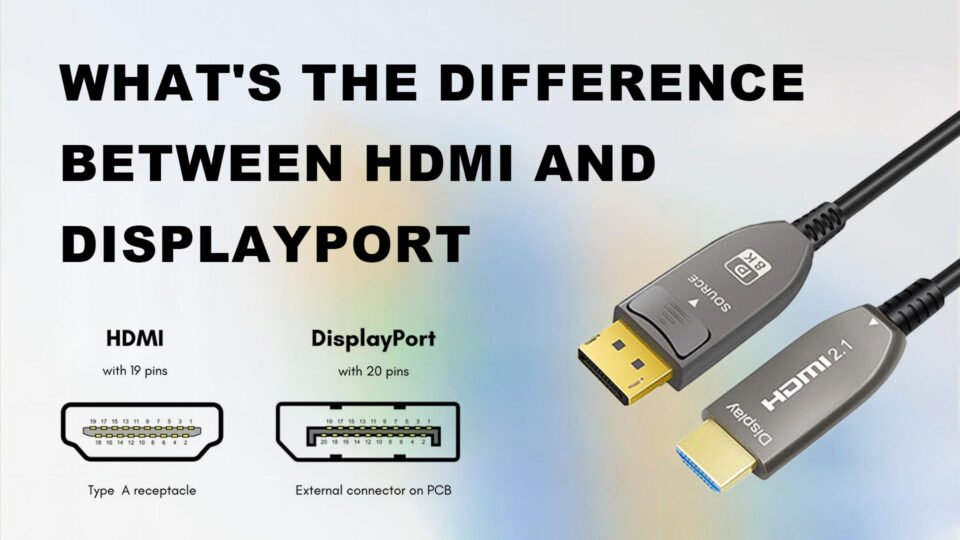
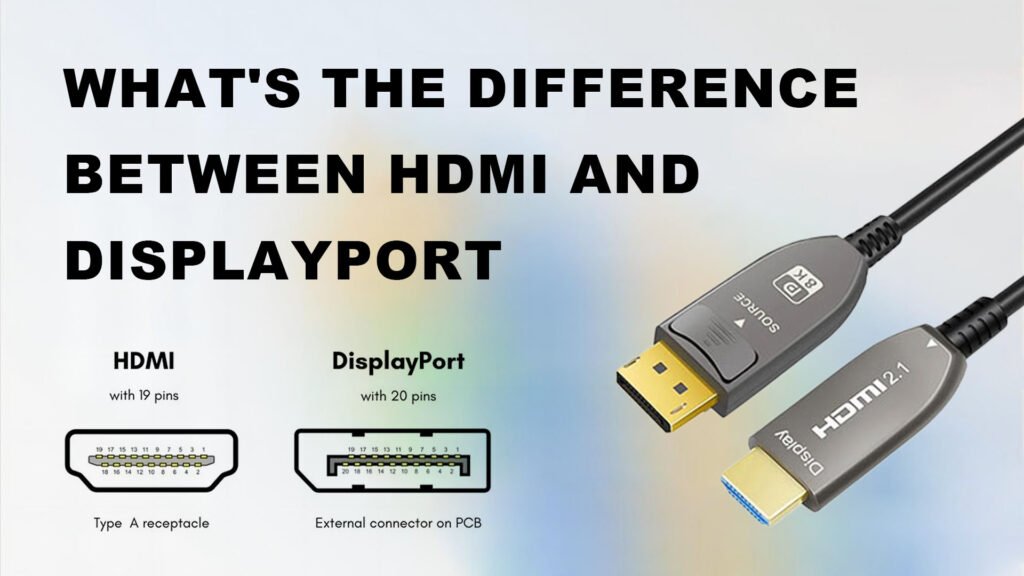
HDMI eignet sich am besten für Home-Entertainment und Konsolen, während DisplayPort mit seiner hohen Bandbreite und der Unterstützung mehrerer Monitore für PC-Spiele ideal für zukunftssichere Systeme ist.
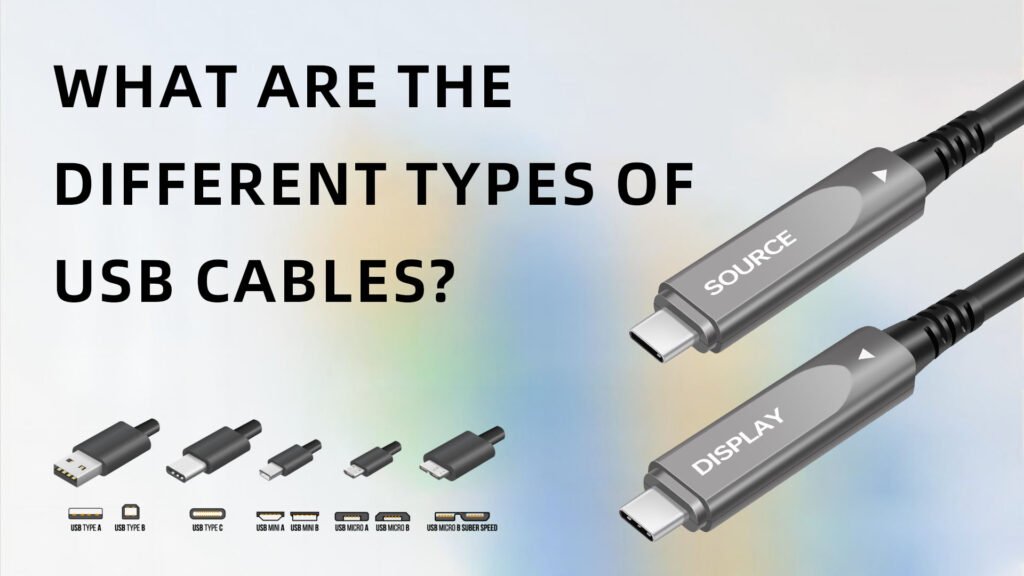
Zu den USB-Kabeln gehören USB-A, USB-B, Micro-USB und USB-C, mit Standards von USB 1.0 bis USB4, sowie Glasfaser-USB für Hochgeschwindigkeits- und Langstreckenverbindungen.
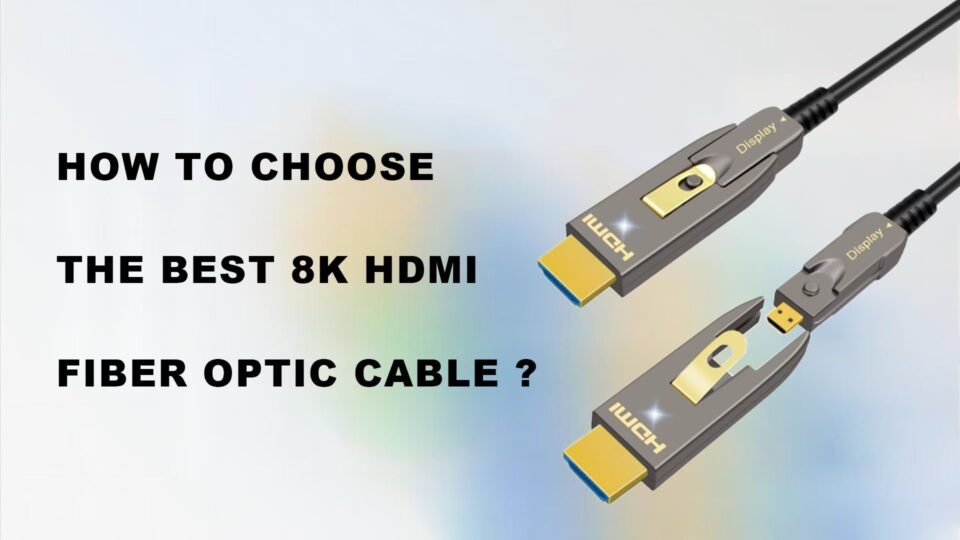
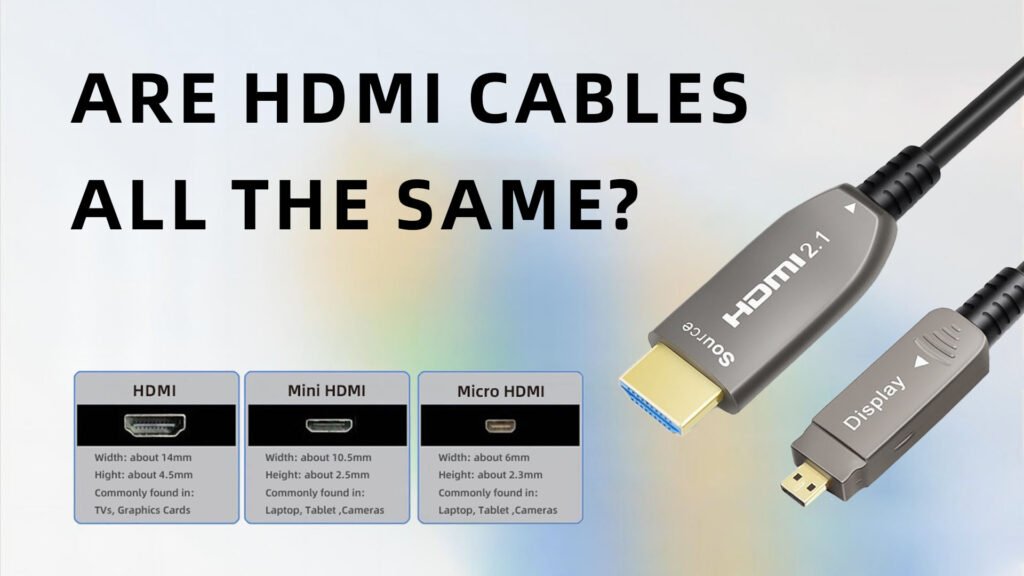
HDMI-Kabel unterscheiden sich in Versionen, Schnittstellen und Materialien. Kupfer-HDMI ist ideal für kurze Distanzen, während Glasfaser-HDMI für lange Distanzen, hohe Qualität und zukunftssichere Leistung für 8K oder hohe Bildwiederholraten sorgt.
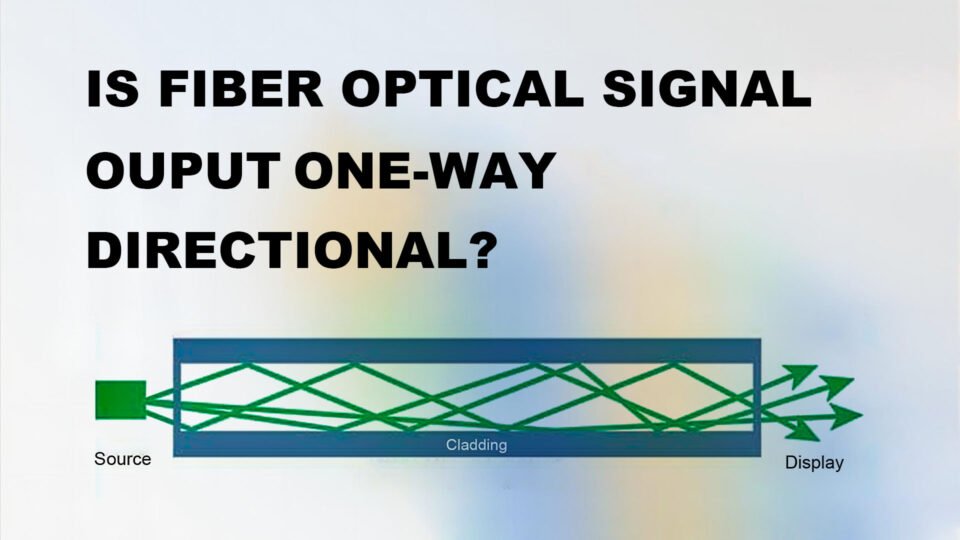
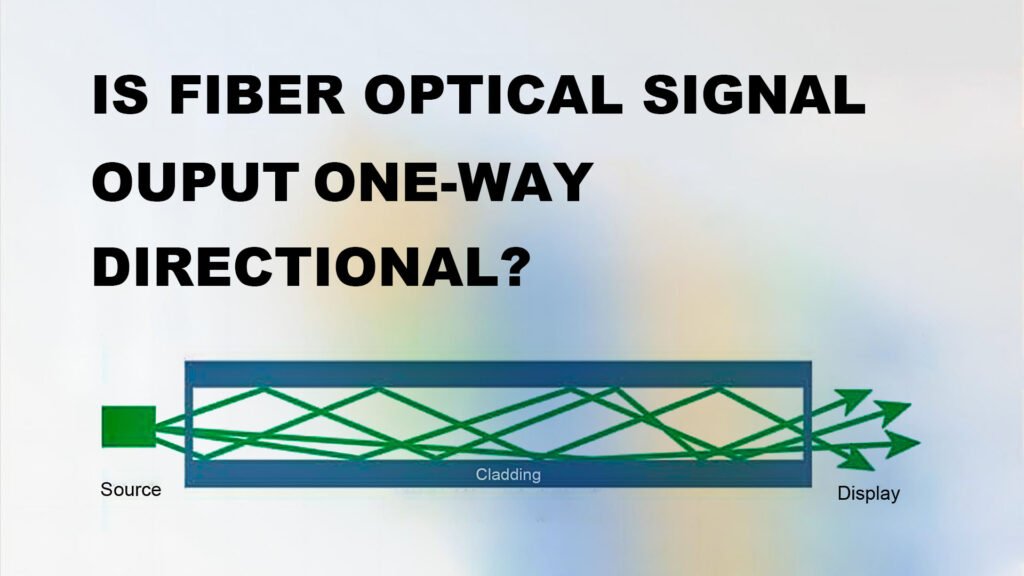
Ist die optische Signalausgabe unidirektional? Erfahren Sie die Gründe dafür, die Unterschiede bei HDMI/USB-Kabeln und nützliche Tipps für den richtigen Anschluss.
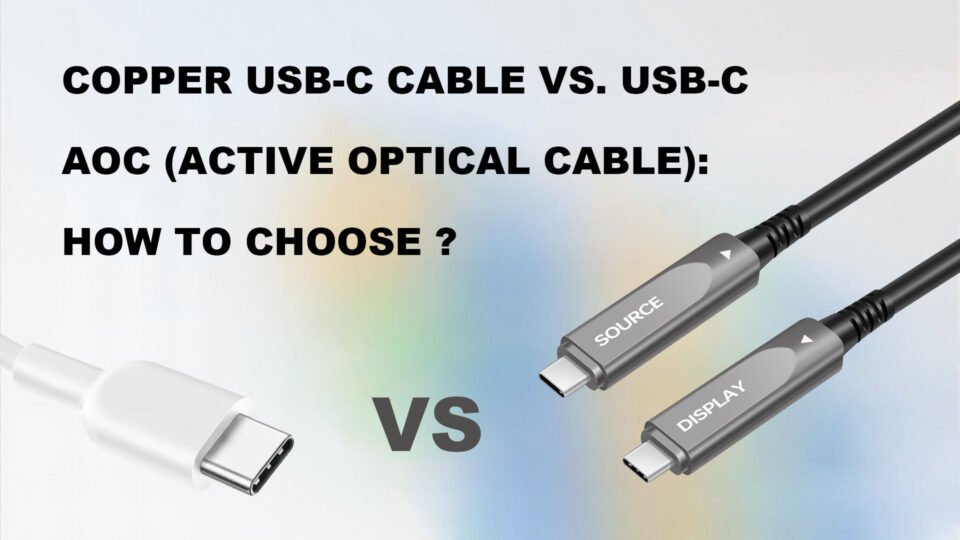
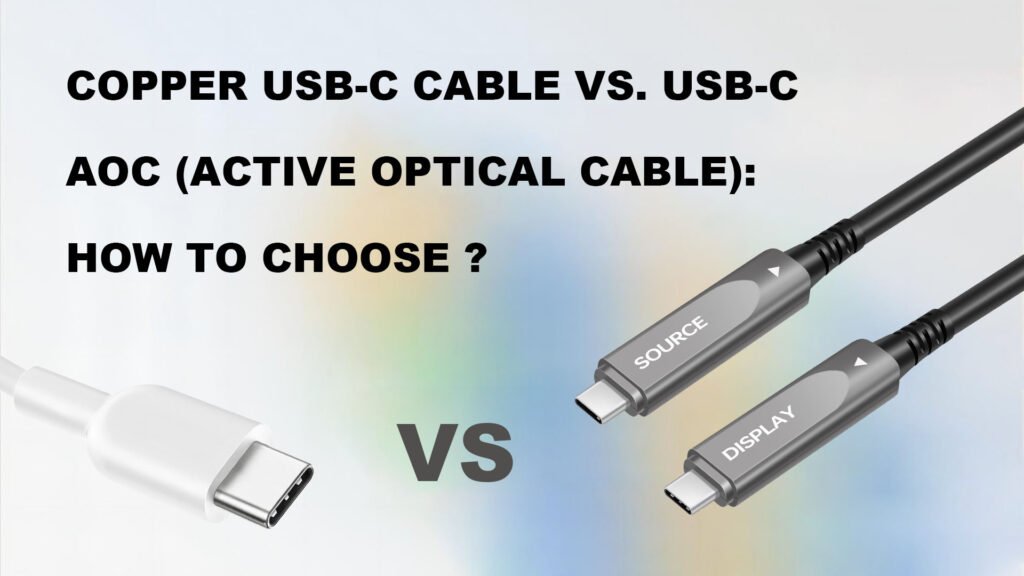
Kupfer-USB-C-Kabel Herkömmliche Kupfer-USB-C-Kabel sind die gängigste Art der USB-C-Verbindungslösung. Sie verwenden Kupferleiter zur Übertragung von Daten und Strom, […]
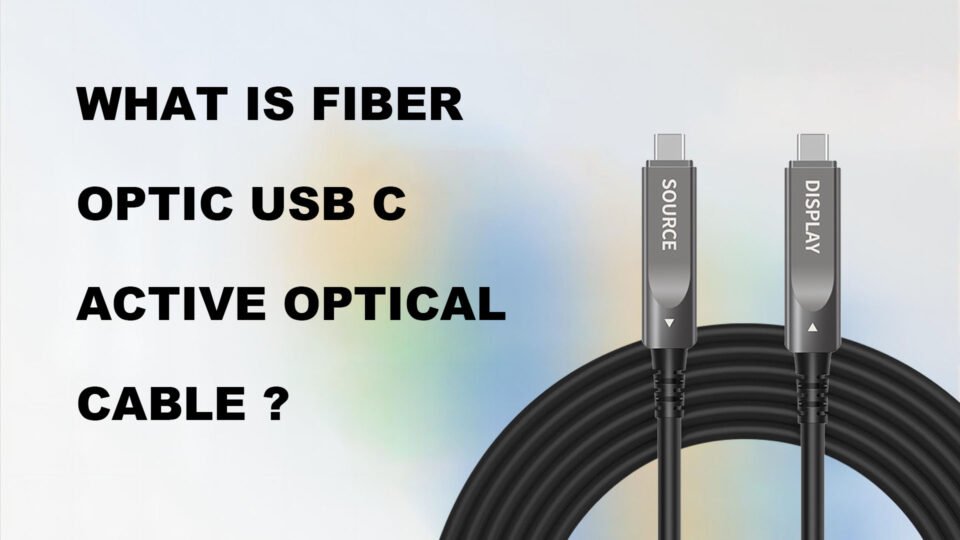
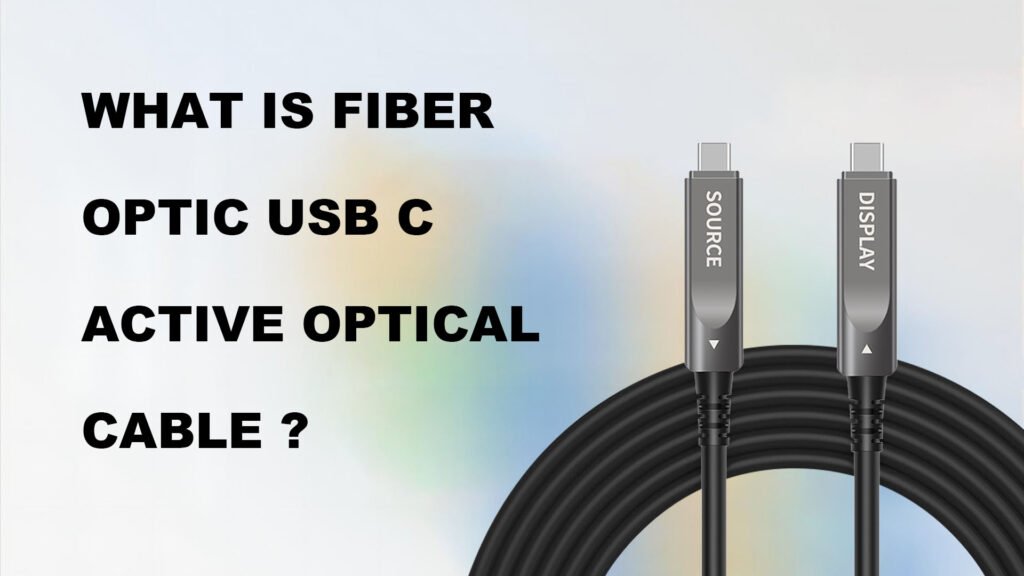
Ein aktives optisches USB-C-Kabel, auch bekannt als optisches USB-C-Kabel, faseroptisches USB-C-Kabel, aktives optisches USB-C-Kabel, USB-C AOC, AOC Typ C, Typ C Active […]
Da sich die Technologie weiterentwickelt, steigen die Preise für 8K-Quellgeräte - wie 8K-Videokameras, Grafikkarten, PCs und Set-Top-Boxen - und 8K-Anzeigegeräte wie Fernseher und LED-Wände, […]
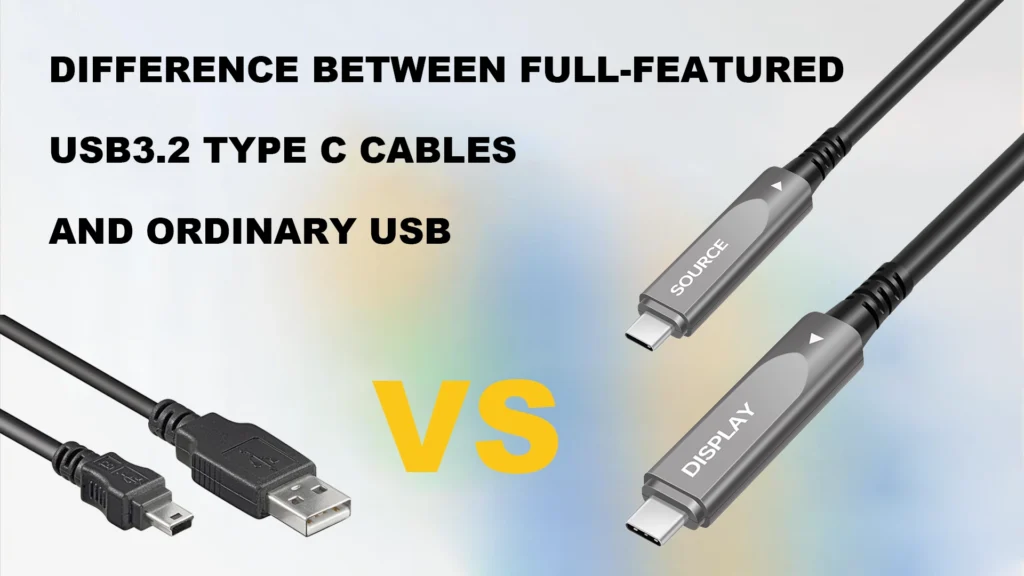
Seit 1996 hat sich der USB-Signalisierungsstandard kontinuierlich weiterentwickelt, da die technologischen Anforderungen gewachsen sind. Jede neue Version des Standards ist eine Verbesserung gegenüber der vorherigen Generation […]
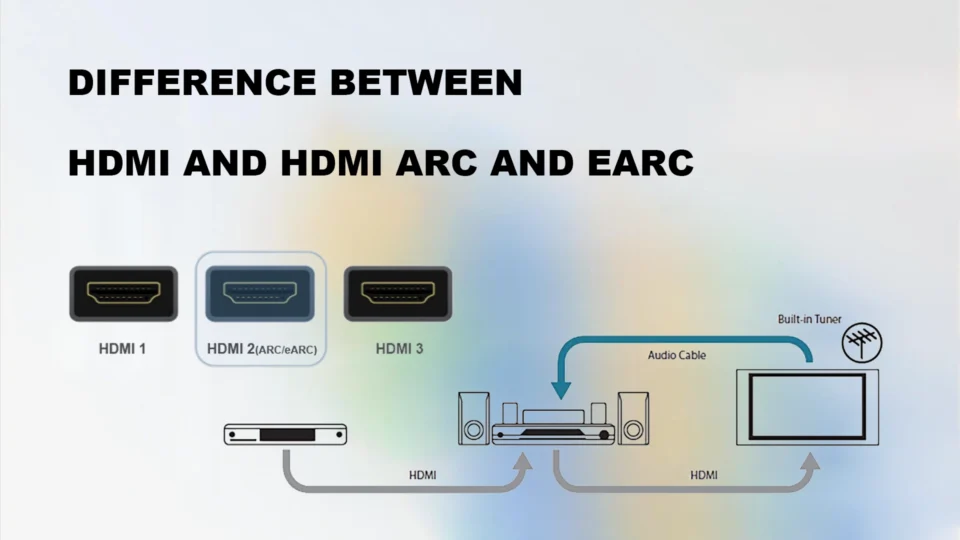
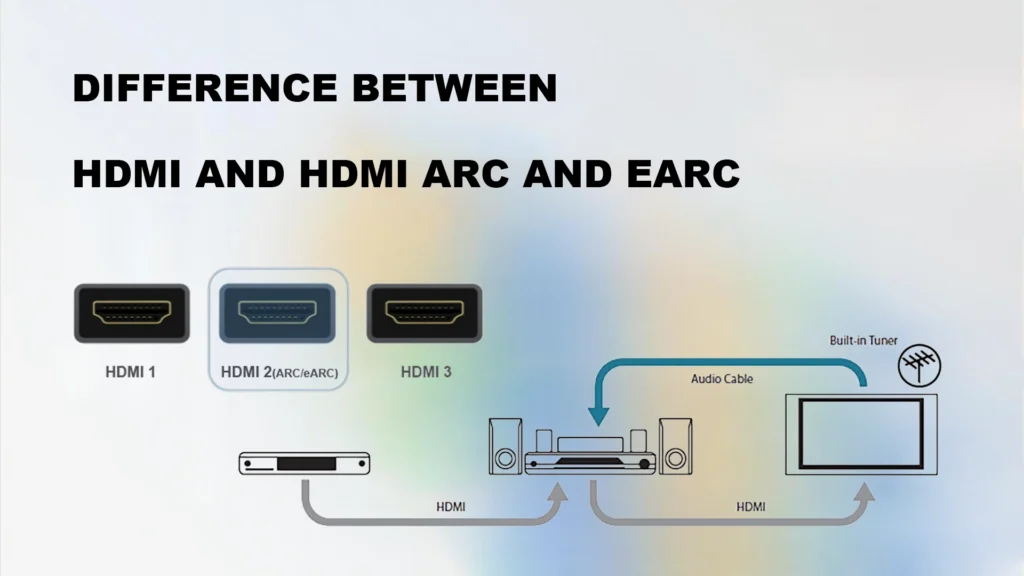
HDMI-Kabel sind eine der beliebtesten Lösungen für den Anschluss von Video- und Audioquellen an kompatible Bildschirme und Soundsysteme. HDMI ist eine der […]
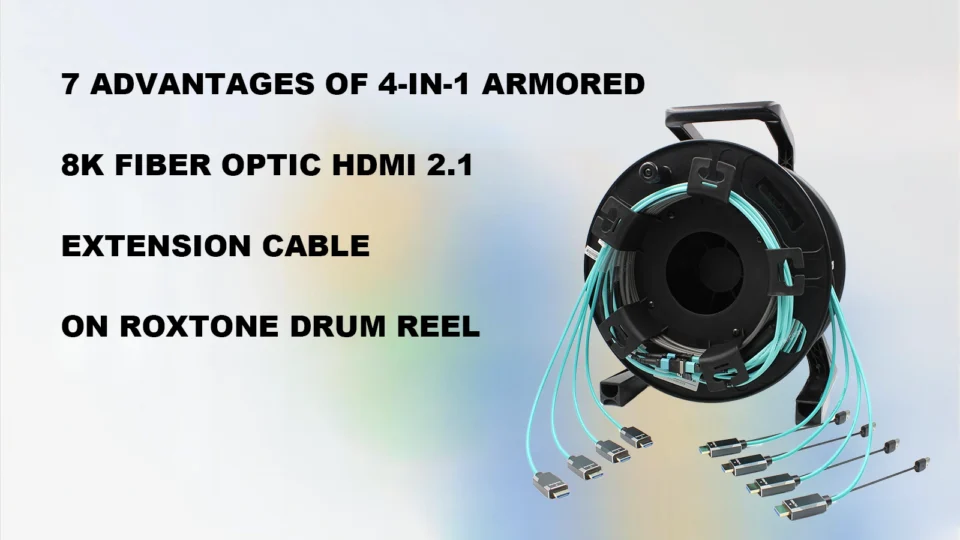
Hintergrund: Während der letzten Global Sources Hong Kong Consumer Electronics Show hat unser FPHD-K2104 Armored Four-In-One 8K Fiber Optic HDMI MPO Extension Cable drum wieder einmal die Aufmerksamkeit auf sich gezogen […]
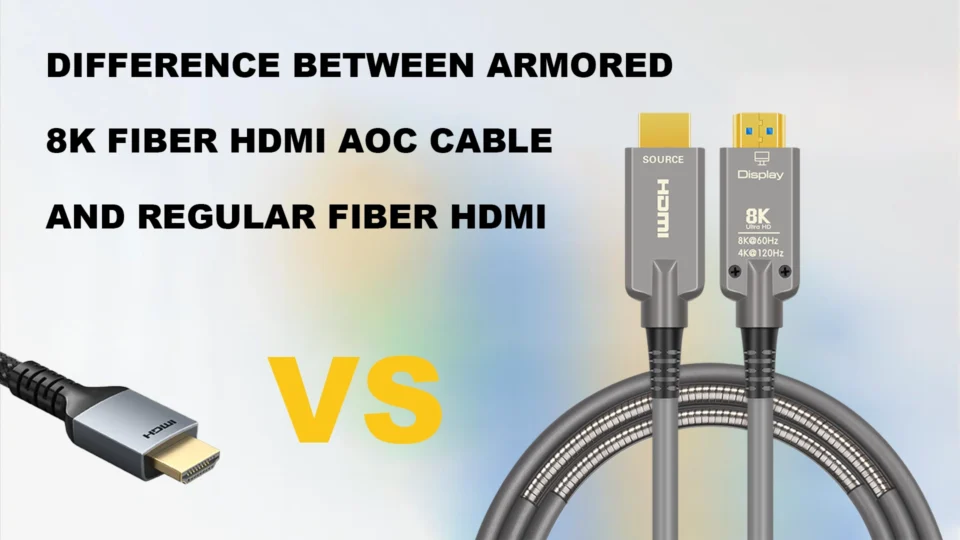
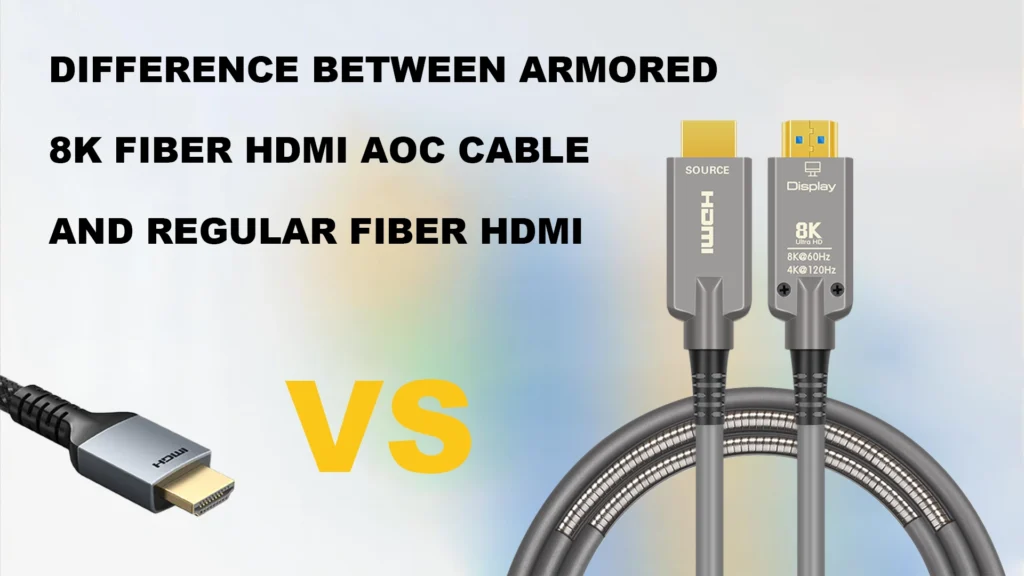
Gepanzerte 8K-Faser-HDMI-AOC-Kabel bieten außergewöhnliche Haltbarkeit und Schutz vor rauen Umgebungsbedingungen, was sie ideal für Outdoor-Aktivitäten und anspruchsvolle Anwendungen macht.
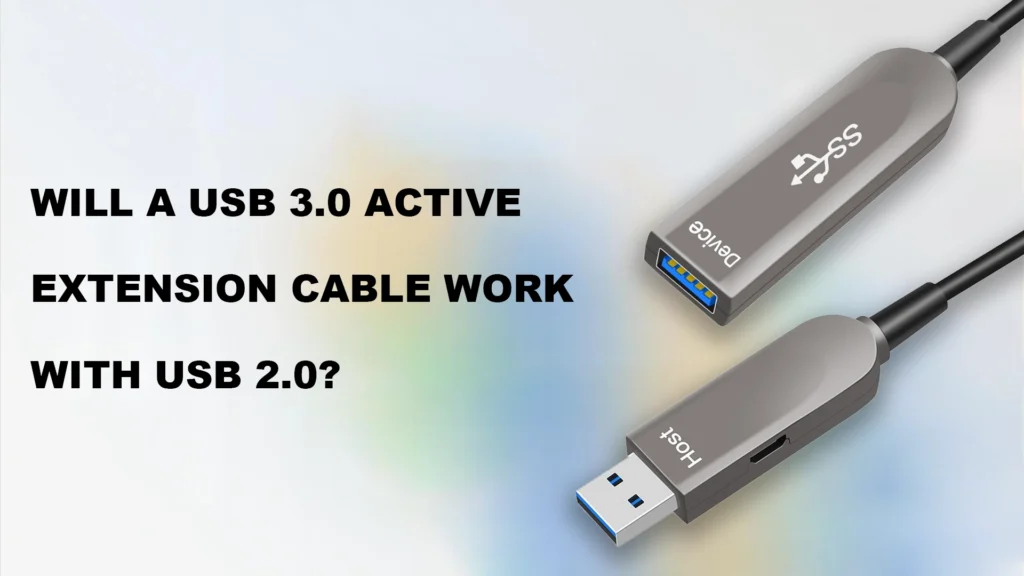
Ein aktives USB3.0-Verlängerungskabel kann mit USB2.0-Geräten verwendet werden, wobei die Abwärtskompatibilität gewahrt bleibt, die Datenübertragungsgeschwindigkeit jedoch auf die USB2.0-Rate beschränkt ist.