

Acerca de China GPMI
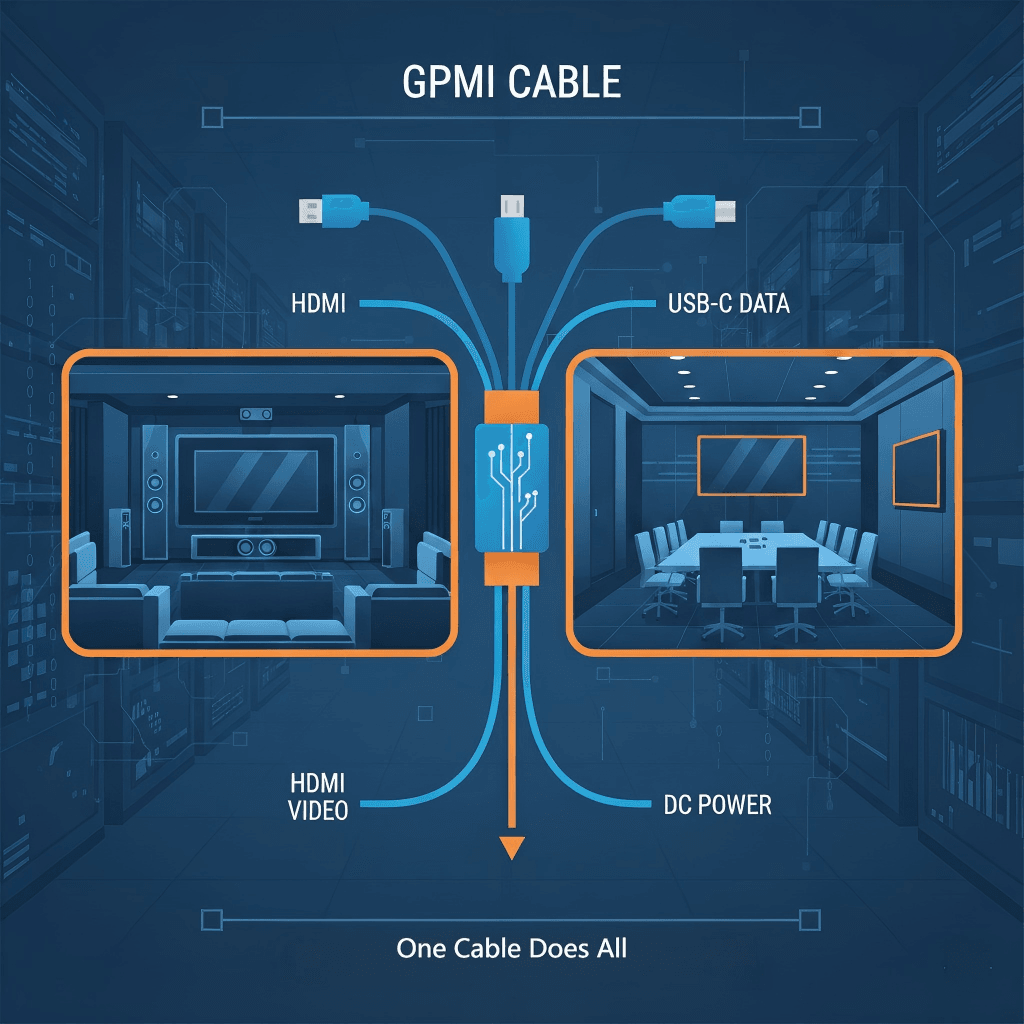
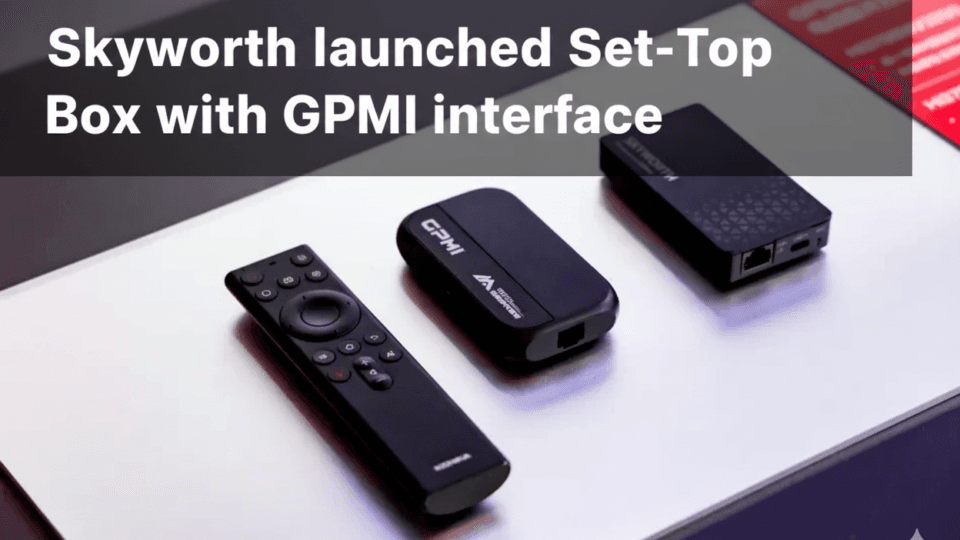
China GPMI (General Purpose Media Interface) es una nueva norma de conectividad "todo en uno" surgida del Alianza de colaboración de la industria del vídeo UHD 8K de Shenzhen (SUCA). Respaldada por un consorcio de más de 50 empresas tecnológicas chinas, entre ellas Huawei, ZTE, HiSilicon, CESI, Skyworth, Konka y TCL CSOT, la GPMI se presentó en abril de 2025 en Shenzhen. Su objetivo es agilizar las instalaciones audiovisuales proporcionando vídeo de ultra alta definición, audio de alta fidelidad, datos, señales de control y alimentación a través de un único cable.

GPMI
GPMI, o Global Performance Media Interface, es un nuevo estándar de transmisión de alta velocidad. A diferencia de USB-C, que está estrechamente vinculado a los dispositivos de consumo, GPMI se ha diseñado teniendo en cuenta la escalabilidad y el rendimiento entre sectores.
Características de GPMI
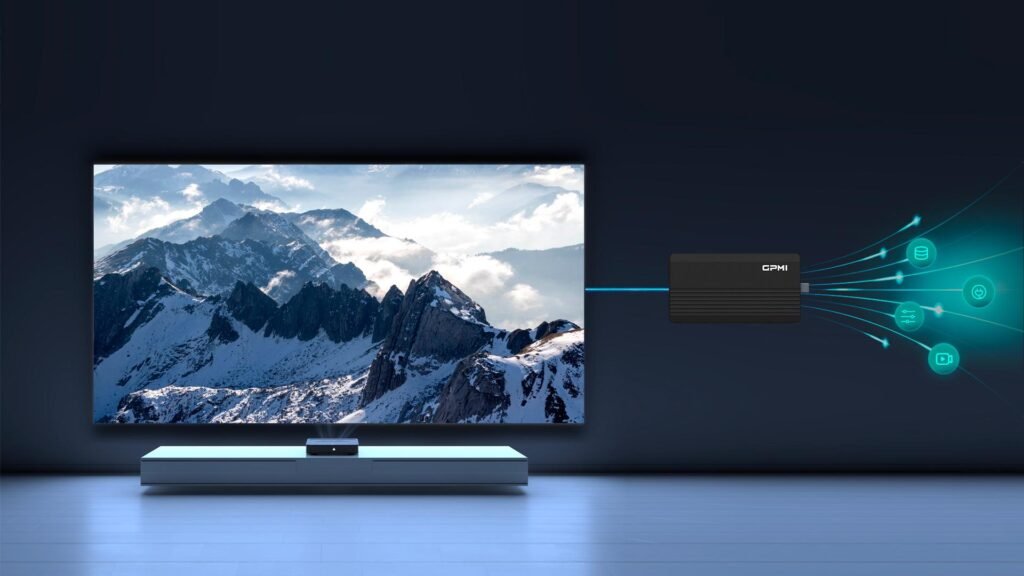
A diferencia de los estándares existentes, que suelen especializarse en vídeo (como HDMI/DisplayPort) o datos (como USB), GPMI aspira a ser una verdadera solución de “cable único”, que integre:
- Vídeo y audio de gran ancho de banda: Compatible con resoluciones y frecuencias de refresco ultrarrápidas.
- Transmisión de datos: Para diversos periféricos y dispositivos.
- Conectividad de red: Capacidades Ethernet integradas.
- Suministro de alta potencia: Reducción significativa de la necesidad de adaptadores de corriente independientes.
Piense en ello como la convergencia definitiva de la conectividad en un único puerto de gran versatilidad.
Acerca de USB-C
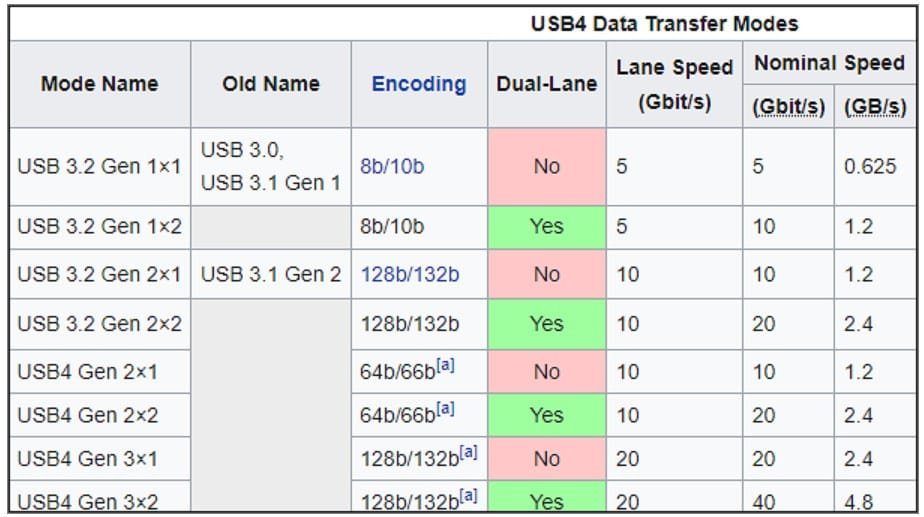
¿Qué es USB-C? USB-C es un estándar de conector físico compatible con las últimas versiones de USB (como USB 3.2 para 10 Gbps, USB4 para 40 Gbps y Thunderbolt 4 para 40 Gbps).
Diseño reversible: Fácil de enchufar sin preocuparse por la orientación.
Adopción generalizada: Se encuentran en portátiles, smartphones, cargadores, monitores y almacenamiento externo.
Gama de prestaciones: En función del protocolo, admite hasta 40 Gbps (Thunderbolt 4/USB4).
Entrega de potencia (PD): Puede suministrar hasta 240 W, por lo que es capaz de cargar portátiles y dispositivos de alto rendimiento.
USB-C es actualmente el conector más universal de elección para la electrónica de consumo, con un fuerte respaldo de la normativa de la Unión Europea que obliga a utilizar puertos de carga USB-C en los dispositivos móviles.
GPMI frente a USB-C: Cuál es la diferencia y cuál es importante para el futuro?
Cuando se trata de transferencia de datos a alta velocidad y conectividad versátil, hay dos términos que están haciendo furor en el mundo de la tecnología: GPMI (Global Performance Media Interface) y USB-C. Mientras que USB-C ya se ha convertido en un nombre familiar en portátiles, smartphones y periféricos, GPMI es un estándar de interfaz más reciente y orientado al rendimiento con ambiciones que van más allá de la electrónica de consumo.
Síguenos, exploraremos las diferencias clave entre GPMI y USB-C, sus aplicaciones, puntos fuertes y lo que significan para el futuro de la conectividad.
GPMI frente a USB-C: comparación lado a lado
| Características | GPMI | USB-C |
|---|---|---|
| Tipo | Protocolo/arquitectura para conectividad de alto rendimiento | Conector + protocolo para dispositivos de consumo |
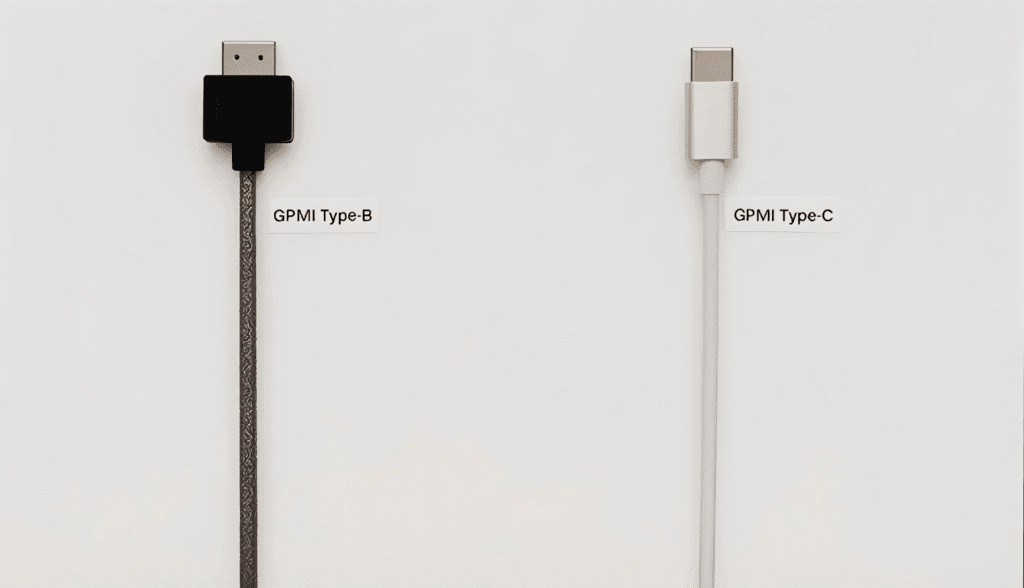
| Ancho de banda máximo | Depende. GPMI tipo B: 192 Gbps GPMI Tipo-C: 96 Gbps | Hasta 40 Gbps a partir de octubre de 2025 (USB4/Thunderbolt 4) |
| La entrega de energía | Depende. GPMI Tipo-B: 480 vatios GPMI Tipo-C: 240 vatios | Hasta 240 W (USB-PD 3.1) |
| Madurez del ecosistema | Adopción emergente y limitada | Adopción muy madura y global |
| Aplicaciones primarias | TV, portátiles, smartphones, cargadores, monitores, periféricos, almacenamiento externo, etc. | TV, portátiles, smartphones, cargadores, monitores, periféricos, almacenamiento externo, etc. |
| Forma del conector | GPMI Tipo-B y Tipo-C | Conector USB-C reversible fijo |
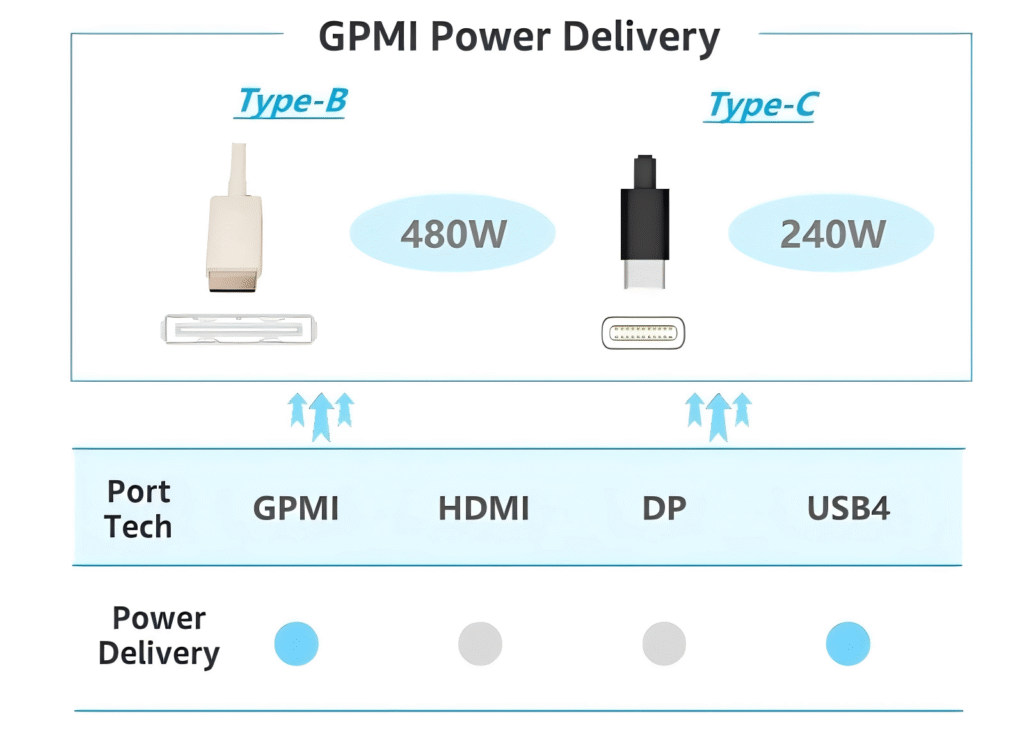
Principales similitudes
-Transmisión de alta velocidad: Ambos pretenden ofrecer una conectividad ultrarrápida para las cargas de trabajo modernas.
-Versatilidad: Soporta múltiples funciones (datos, alimentación, medios).
-A prueba de futuro: Ambas están diseñadas teniendo en cuenta la escalabilidad y la evolución de las aplicaciones.
Principales diferencias
-Alcance: USB-C se centra en el consumidor; GPMI aspira a más, puede incluir empresas y rendimiento.
-Estandarización de conectores: USB-C es unificado y universal; GPMI es modular y adaptable.
-Adopción: USB-C ya es universal, mientras que GPMI aún está en fase de adopción y creación de ecosistemas.
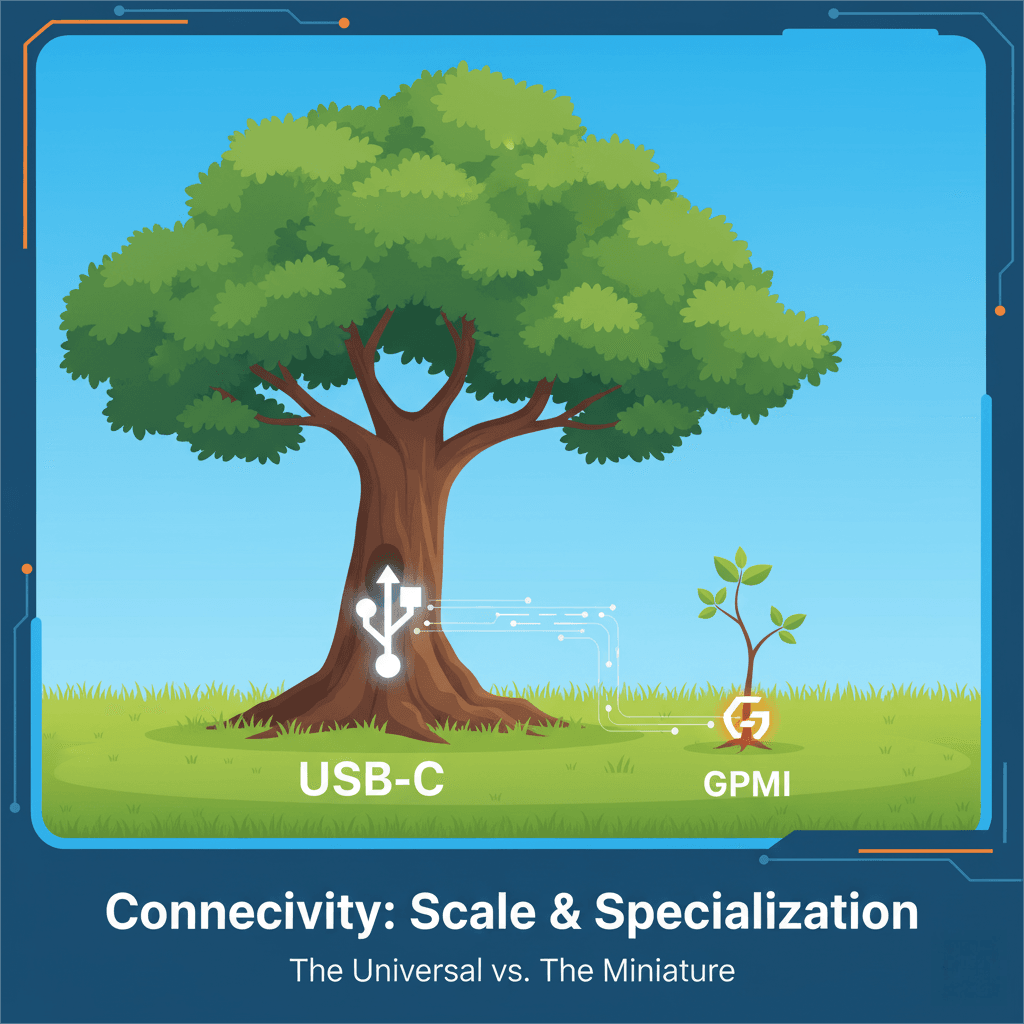
¿Cuál es importante para el futuro?
-A corto plazo (2025-2030): USB-C dominará la electrónica de consumo gracias a la normativa y a su amplia adopción.
-A largo plazo: Las GPMI podrían desempeñar un papel crucial en aplicaciones de alta integración que impulsen la computación de IA de próxima generación, los medios inmersivos y las aplicaciones industriales de gran ancho de banda.
Piénsalo de este modo: USB-C es el conector que ya usas a diario, mientras que GPMI es la columna vertebral de la infraestructura digital de alto rendimiento del mañana.
Reflexiones finales
Tanto GPMI como USB-C representan hitos importantes en la evolución de la conectividad. Si usted es un consumidor, USB-C está aquí para quedarse. Si está en el sector B2B, industrial o audiovisual, no pierda de vista GPMI: podría remodelar el futuro de la transferencia de datos y la integración de sistemas en el futuro. Pero, ¿a qué velocidad llegará? Aún le queda mucho camino por recorrer. Observemos y veamos.
Sobre nosotros
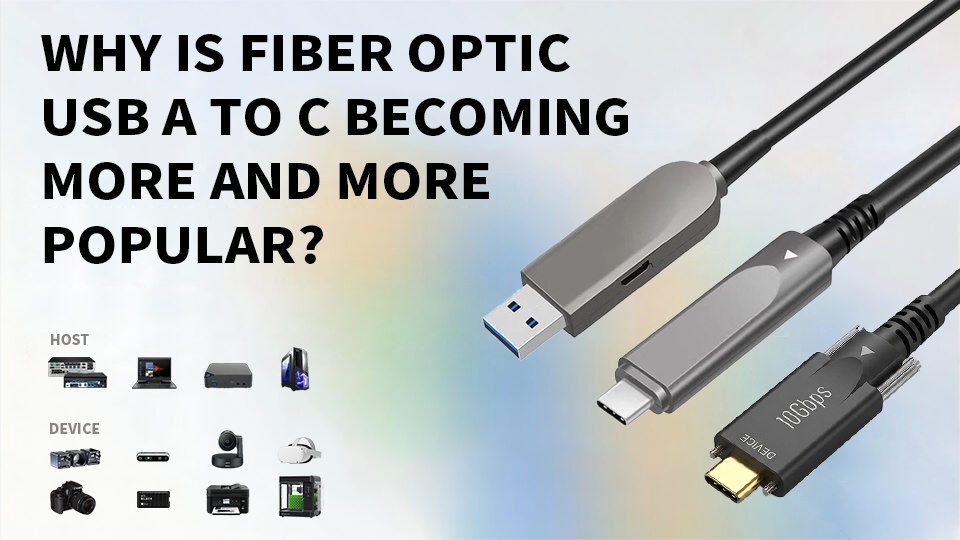
En AOCFiberlink, Estamos especializados en productos audiovisuales y de transmisión de datos de alto rendimiento, como cables activos HDMI, DisplayPort, USB4 y USB-C de fibra óptica para mercados OEM/ODM globales. Con un profundo conocimiento de las nuevas tendencias en interfaces, como GPMI, ayudamos a nuestros clientes a mantenerse a la vanguardia.
📬 Póngase en contacto con nosotros hoy mismo para obtener más información o solicitar una solución personalizada.
📧 Correo electrónico: sales@aocfiberlink.com
📱 WhatsApp: +86-18980938955
🌐 Página web: www.aocfiberlink.com

Aquí se explica con todo detalle qué es el GPMI y para qué sirve, pero sigo sin saber cómo es ese conector.